Get Fit at Home: Simple Plan for Real Results
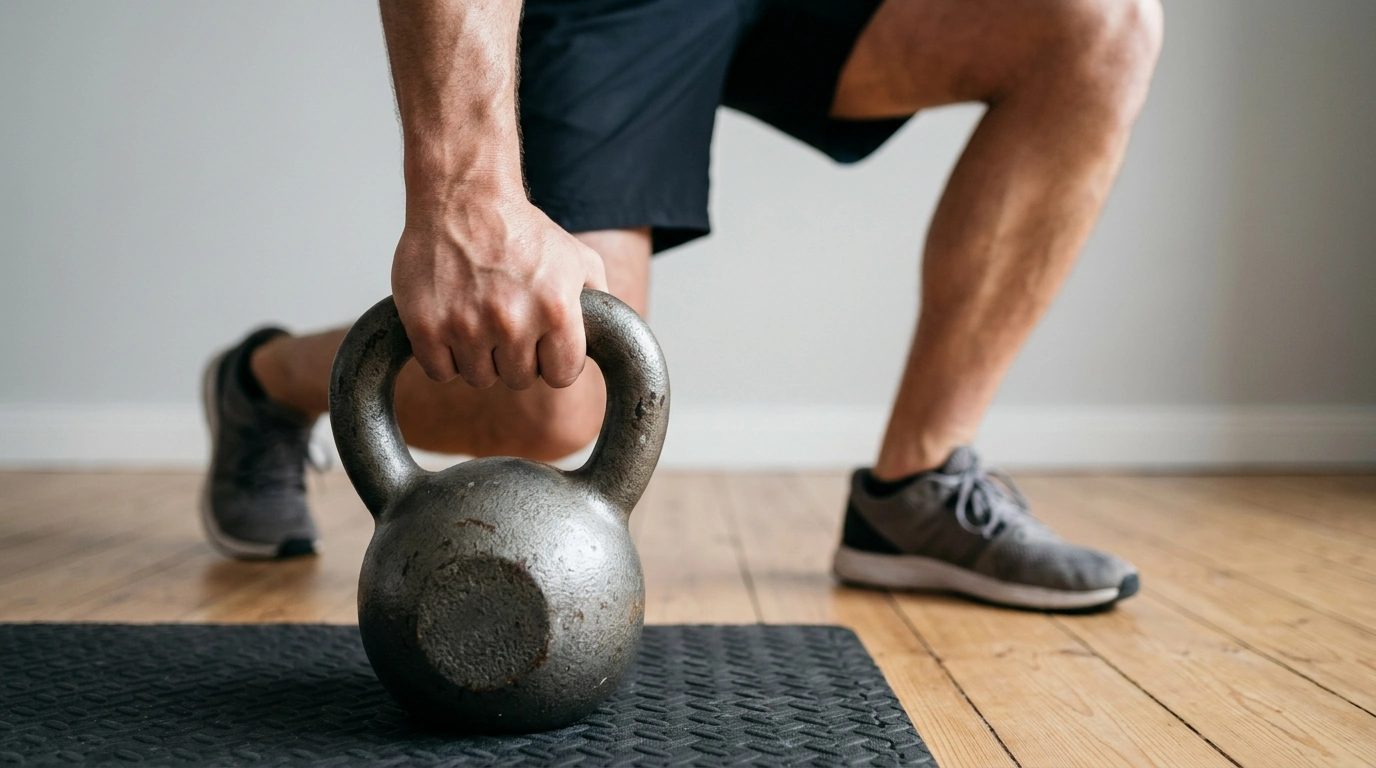
Can you actually get fit at home?
Yes—getting fit at home is absolutely realistic when you train with consistency, use progressive overload, and pair workouts with supportive nutrition and recovery. You don’t need a full gym to improve strength, endurance, mobility, and body composition; you need a plan that matches your goals and a way to steadily increase the challenge over time.
What “fit” can mean at home
Home fitness can build muscle, burn fat, and improve cardiovascular health using bodyweight moves, resistance bands, adjustable dumbbells, or even a loaded backpack. Strength improves when exercises get gradually harder (more reps, slower tempo, tougher variations, shorter rest, or added weight). Conditioning improves through intervals, brisk walking, stair sessions, or jump-rope style circuits—without any machines.
What makes home workouts work
The biggest difference between “trying” and “getting results” is structure. A simple weekly routine (for example, 3 strength days and 2 cardio/mobility days) keeps training frequent enough to progress while allowing recovery. Tracking a few basics—reps, sets, and rest time—helps ensure workouts don’t stay the same intensity forever.
Common obstacles (and easy fixes)
Limited equipment is rarely the real issue. Space, motivation, and time are the usual barriers. Choose a dedicated corner, keep sessions to 20–40 minutes, and set a default start time to reduce decision fatigue. If form is a concern, prioritize controlled reps and beginner-friendly variations before speeding up or adding load.
For a deeper breakdown of routines, equipment options, and how to progress week to week, read the full guide here: https://acewondersstudio.shop/can-you-actually-get-fit-at-home/.
For Get Fit at Home: Simple Plan for Real Results, the best answer depends on fit, material, care instructions, and how the product will be used day to day.
FAQ
What’s the best weekly schedule for home workouts?
A balanced approach is 3 days of strength training (full-body or upper/lower split) plus 1–2 days of cardio or mobility. Keep at least one full rest day, and adjust volume up only when recovery feels solid.











Leave a comment